
Smart Early-Education Device for Children
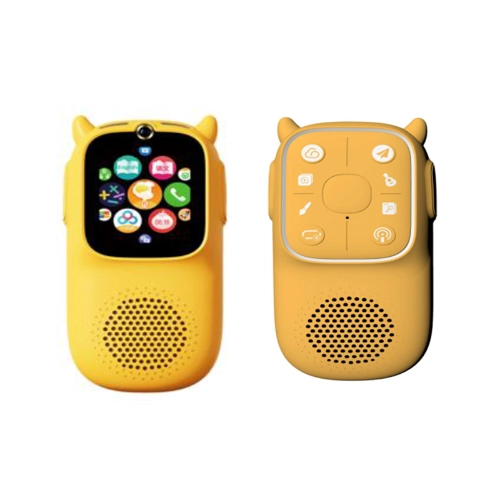
A compact, globally connected smart learning device designed for early childhood education, combining stable hardware performance, flexible network access, and integrated English learning content.
Project Overview
This project is a smart early learning device designed for children aged 3–8, combining curated educational content with stable connectivity and reliable hardware performance.
The product targets long-term daily use in family environments while remaining flexible enough for mobile and overseas usage scenarios.
The core challenge of this project was to balance processing performance, power efficiency, network compatibility, and audio experience within a compact, child-friendly device form factor.
Application Scenarios
Home-based early education
English learning and audio-based interaction
Portable learning device for travel and overseas use
Project Requirements & Design Challenges
Unlike standard consumer electronics, a children’s early learning device must operate as a stable content terminal, not just a media player.
Stable Performance for Educational Content
The device needed to handle structured English learning materials, picture books, and audio content smoothly, without lag or system instability during frequent content switching.
Flexible Network Access Across Regions
The product had to support multiple networking methods to adapt to different usage environments, including home WiFi, mobile hotspots, and 4G data networks for global deployment.
Power Efficiency for Child Usage Patterns
Children typically use the device in short, repeated sessions throughout the day. This required careful control of standby power consumption while maintaining fast system responsiveness.
Technical Solution Overview(Hardware & System)
To meet the above requirements, a balanced hardware architecture was selected, focusing on long-term stability, energy efficiency, and network adaptability.
Core Processing Platform
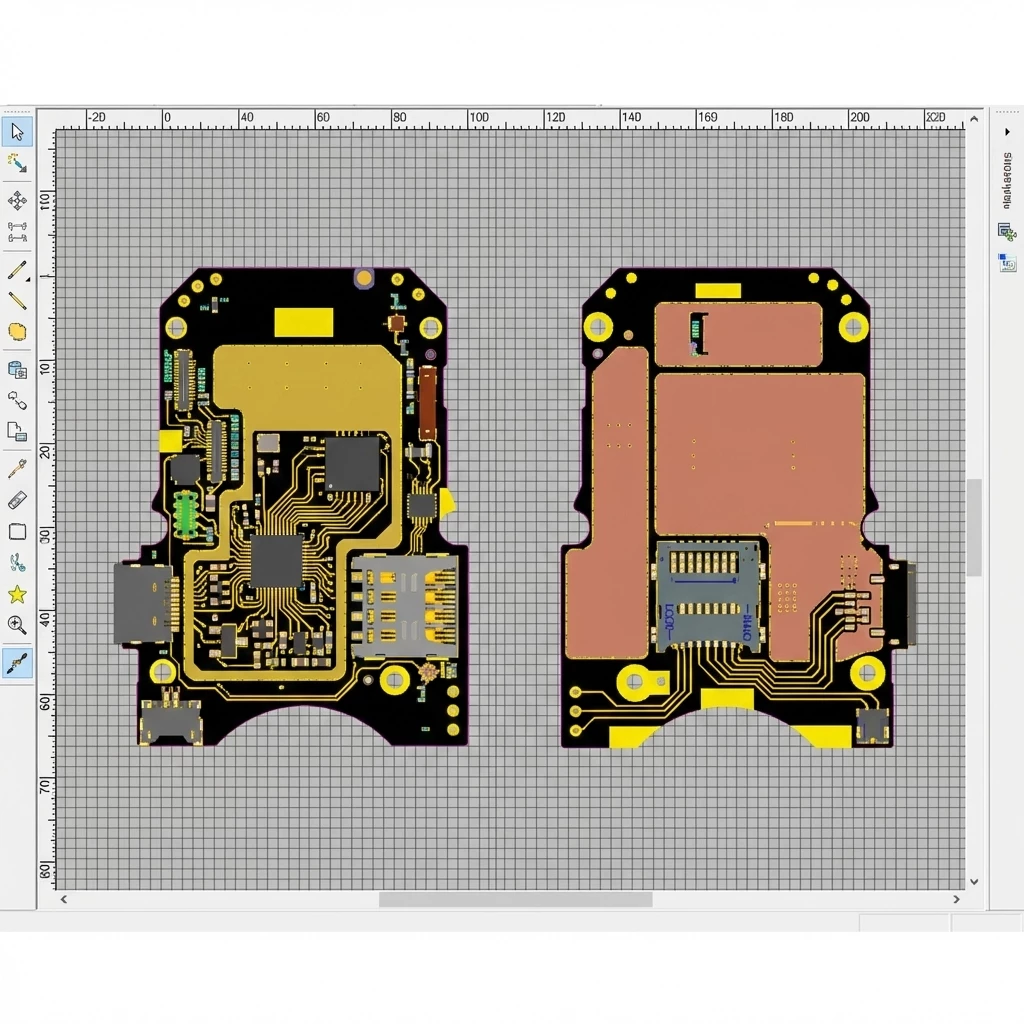
SoC: T310 / MT8766
CPU Architecture: Quad-core, up to 2.0GHz
Process Technology: 12nm
Memory: 4GB RAM
This configuration provides sufficient computing headroom for multimedia learning applications while maintaining controlled thermal and power behavior for continuous daily use
Connectivity & Network Support
WiFi
Mobile hotspot sharing
Bluetooth connectivity
SIM card data network
Global 4G frequency band support
The multi-network design ensures reliable connectivity in both fixed and mobile environments, supporting international use cases without hardware redesign.
Display & Audio System
Display: 1.72 / 1.95-inch HD display
Speaker: 3W smart stereo speaker
The compact HD screen is optimized for close-range viewing and low power consumption, while the 3W speaker delivers clear voice output suitable for language learning and audio-based interaction.
Power System
Battery Capacity: 2000mAh rechargeable battery
The battery solution is designed to support frequent daily use while minimizing charging interruptions, with optimized standby power management.
Happy Clients!
How We Control Quality
For consumer products, consistent quality at high volume is key.
- Strict Component Sourcing: We have a rigorous incoming component verification process to vet all parts, especially in the cost-sensitive consumer market.
- 100% AOI: Every board is checked by Automated Optical Inspection (AOI) after assembly to catch any manufacturing defects.
- Custom Functional Testing: We designed a test jig that simulates the toy's inputs and outputs, allowing us to perform a 100% functional test on every board before it ships.
- Compliance: We ensure full adherence to ISO 9001 and consumer standards like RoHS and REACH.

The Results: From Unprofitable to Best-Seller
We successfully reduced the final PCBA Bill of Materials (BOM) cost by over 15%, hitting the client’s profitability target and making the product viable.
Our streamlined design-to-production process took just 5 weeks, enabling the client to manufacture and ship their product in time for the holiday season.
Our DFA optimizations resulted in a consistent mass production line yield of 99.7%, significantly reducing waste and further lowering the effective cost per unit.