

Wrong assembly model. Late boards. Surprise costs. One decision causes all three. Pick the right model before you place your first PO.
Choose full turnkey when you need speed, fewer suppliers, and one owner for parts and build. Choose consigned when your team must control part sources or lot codes. Use a hybrid when only a few parts are risky, and you want the factory to handle everything else.
Most buyers compare only the per-board price. That is a mistake. The hidden cost includes your time, your logistics, and your risk exposure. This guide breaks down seven practical factors so you can make the right call for your next build, whether you are ordering 50 boards or 50,000.

Understanding Full Turnkey vs. Consigned PCB Assembly
What Is Full Turnkey PCB Assembly?
Full turnkey PCB assembly is a “full‑service” model where your manufacturing partner takes responsibility for almost everything from the moment you share your design files until finished, tested boards are shipped out.
In a typical full turnkey project:
- You provide design and requirement files:
- Gerber or other PCB manufacturing files
- BOM (Bill of Materials) with manufacturer part numbers
- Pick‑and‑place (centroid) file
- Assembly drawings and any key PCB notes
- Test requirements and acceptance criteria
- The manufacturer (like IWDF Solutions) handles:
- PCB fabrication based on your stack‑up and specs
- Component sourcing through authorized distributors and vetted channels
- SMT and THT assembly
- Inspection and testing (AOI, X‑ray for BGA, functional tests if provided)
- Final packing and shipping
Why many overseas teams prefer turnkey?
For teams in Europe and North America, the biggest pain is rarely “how to design the PCB”, but “how to turn files into reliable hardware without drowning in logistics and supplier management”. Full turnkey helps by:
- Reducing the number of individual suppliers you must coordinate with
- Making one company accountable for the whole chain from materials to assembly
- Allowing you to focus on design, firmware, and product, rather than purchasing and shipping details
From the factory’s side, full turnkey also allows better optimization of material planning, production scheduling, and quality control because all steps are in one integrated flow.
What is a consigned PCB Assembly?
In a consigned or kitted PCB assembly model, you (the customer) buy and ship some or all of the components to the manufacturer, and the factory mainly provides the assembly service. In other words, you manage the supply chain for the parts, and the factory manages the production steps.
A typical consigned flow looks like this:
- You purchase components from your preferred distributors or internal stock.
- You label, pack, and ship all the parts (plus PCBs, if not made by the factory) to the assembler.
- The factory receives the kits, checks quantities and conditions, then does SMT/THT assembly, inspection, and testing.>
When consigned is used in practice
Consigned or partial consignment is common when:
- You already hold large inventories under long‑term contracts.
- You have access to proprietary or rare components that are hard for others to buy.
- You operate in highly regulated industries (medical, aerospace, defense) where every component lot and source must be tightly controlled.
- You have in‑house purchasing teams and strict approved vendor lists, and you want the factory only for assembly.
In this model, the responsibility boundaries are different:
- The customer is typically responsible for:
- Correct part numbers, quantities, and packaging
- Ensuring parts are genuine and within shelf life
- Logistics, customs, and any damage during transit
- The factory is responsible for:
- Following the assembly instructions and workmanship standards
- Handling and storing the consigned parts properly
- Meeting agreed process and quality standards in assembly
This division of responsibility can work well for mature companies, but it also means more workload and risk on your side if you are a small or mid‑sized team.
| Aspect | Full Turnkey | Consigned Assembly |
|---|---|---|
| PCB Design Solution | The manufacturer manages PCB design review and optimization | The customer manages PCB design review and optimization |
| Component Sourcing | The customer bears supply chain risk | Customer sources and supplies all components |
| Inventory Management | The manufacturer bears supply chain risk | Customer manages component inventory |
| Procurement Risk | The manufacturer manages a complete inventory | Component costs are separated from assembly costs |
| Quality Responsibility | The manufacturer is accountable for end-to-end quality | The manufacturer is accountable for assembly quality only |
| Lead Time Control | Manufacturer controls entire timeline | Component costs are separated from assembly costs |
| Cost Transparency | Aggregated pricing model | Component costs separated from assembly costs |
| Flexibility | Better for standardized, predictable projects | Better for customers with existing component suppliers |
| Communication Complexity | Single point of contact | Multiple supplier coordination required |
Factor 1: Supply Chain Control and Responsibility Ownership
Understanding who controls the supply chain is fundamental to selecting between these assembly methods. This factor extends beyond simple logistics—it determines accountability, risk exposure, and operational agility.
Full Turnkey Model Supply Chain Dynamics:
In full turnkey arrangements, the manufacturer assumes complete responsibility from the initial design phase onward.
This begins with the development of the PCB design and the creation of all necessary design files by the manufacturer. They then conduct engineering process assessments, performing their own DFM analysis on these designs to identify and resolve potential component compatibility issues, and to optimize part selections for manufacturability and cost before procurement begins.
The manufacturer leverages established supplier relationships, volume purchasing agreements, and global sourcing networks. Once components arrive at their facilities, the manufacturer performs incoming quality control (IQC), verifying specifications, checking for counterfeits, and documenting lot codes and date codes for traceability.
This centralized approach provides several operational advantages. Manufacturers can consolidate orders across multiple customer projects, securing better pricing through economies of scale. They maintain safety stock for long-lead-time materials, reducing project delays caused by component shortages. If substitutions become necessary due to supply disruptions, the manufacturer evaluates alternatives and coordinates changes directly with your engineering team rather than requiring you to source replacements independently.
However, this model requires significant trust in your manufacturer’s technical capability in PCB design and DFM judgment, as well as their supplier network and component selection expertise. Some customers with established relationships with component suppliers or those requiring highly specific, regulated components may find this loss of direct control problematic.
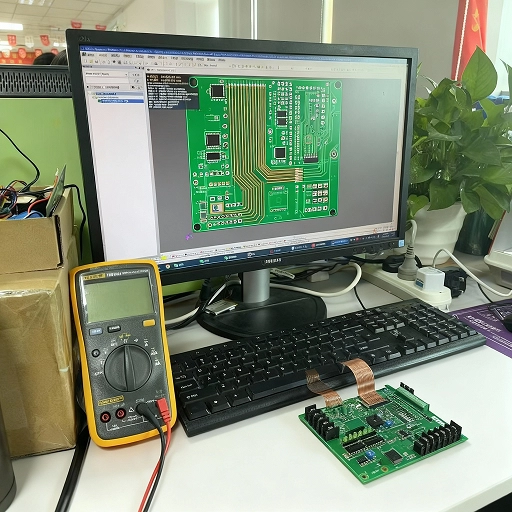
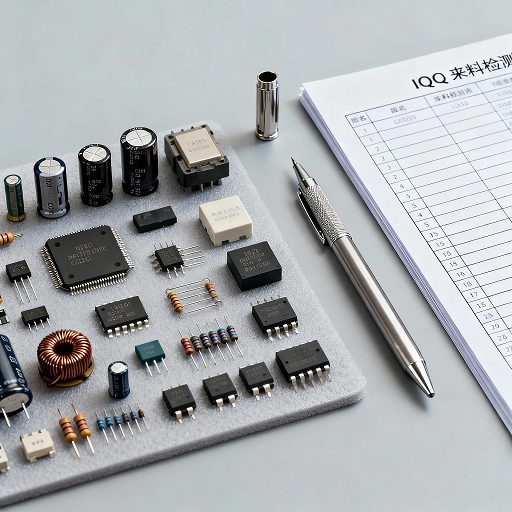

Consigned Assembly Supply Chain Dynamics:
Consigned assembly places you at the center of the supply chain decision-making process. You maintain relationships with component distributors, establish pricing agreements, and control inventory. This model suits organizations with mature procurement departments, established supplier relationships, or requirements for specialized components from specific sources. If your company has negotiated volume discounts with particular distributors or maintains strategic alliances with component suppliers, consigned assembly preserves these advantages.
However, this approach introduces significant complexity and risk. You must synchronize component delivery with the manufacturer’s production schedule—delivering materials too early incurs storage costs, while late delivery causes production delays and potential penalties.
You bear the full burden of managing component obsolescence, ensuring timely procurement of long-lead-time items, and handling supply chain disruptions independently. If a critical component becomes unavailable, you must identify alternatives, negotiate new pricing, and coordinate the change across your supply chain before production can proceed.
Practical Implications:
For international customers, full turnkey models substantially reduce logistical complexity. Rather than managing multiple international shipments of components, you receive finished assemblies through established logistics channels. For domestic or regional operations with controlled supplier bases, consigned assembly maintains flexibility and leverages existing relationships.
Consider your organization’s maturity level. Startups and mid-sized enterprises often lack dedicated supply chain personnel to manage complex material coordination. Established manufacturers with internal supply chain teams may prefer the control and cost management benefits of consigned assembly. The decision ultimately reflects your operational capacity and strategic purchasing objectives.
Factor 2: Quality Control and Reliability Assurance
Quality represents the foundation of sustainable manufacturing partnerships. However, quality responsibility structures differ fundamentally between assembly models, with significant implications for reliability, compliance, and accountability.
Quality Architecture in Full Turnkey:
Full turnkey manufacturers implement comprehensive quality systems spanning the entire production lifecycle. Quality begins during component procurement—manufacturers verify component authenticity, check for counterfeits from unauthorized channels, and document complete traceability from original distributors. Incoming inspection includes visual examination, functional sampling, and documentation of lot codes that enable rapid failure analysis if issues arise in the field.
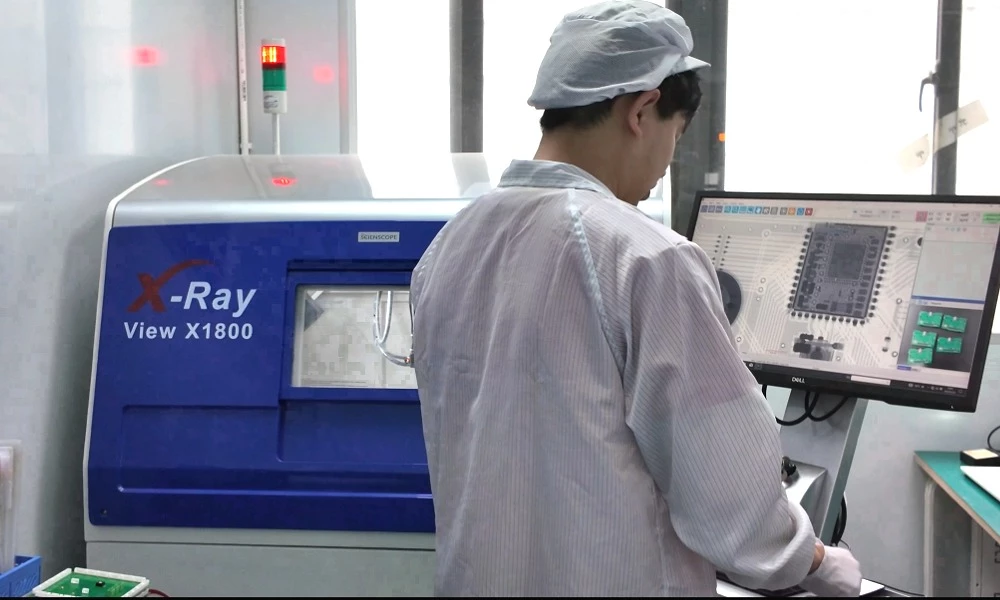
During assembly operations, manufacturers employ advanced automated equipment with integrated optical inspection systems, solder joint verification, and real-time defect detection. Multiple inspection points capture potential issues before downstream processes compound defects. After assembly, manufacturers perform in-circuit testing (ICT) to verify connections and basic functionality, followed by functional testing that exercises actual product operations under specified conditions.
The manufacturers whom maintaining ISO 13485 certification (medical device standard), AS9100 (aerospace), or similar industry-specific certifications maintain documentation systems that track every component, every process parameter, and every inspection result. This creates complete traceability—if field issues emerge months after delivery, engineers can retrieve exact component lot codes, solder reflow profiles, and inspection results to identify root causes rapidly.
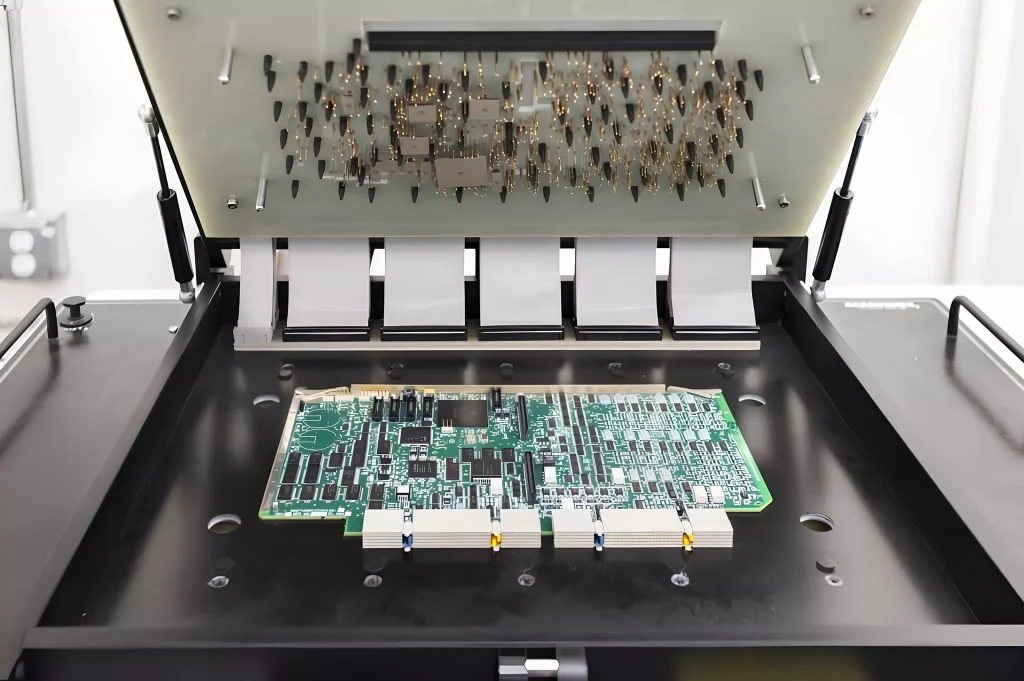
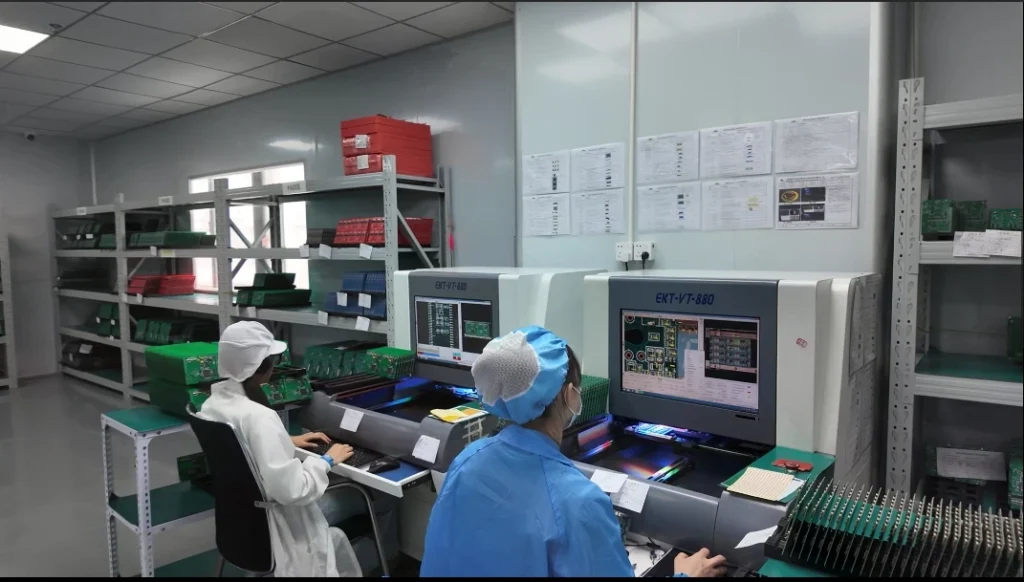
Quality Architecture in Consigned Assembly:
Consigned assembly quality responsibility is divided between two parties. The customer bears responsibility for incoming component quality—your inspection and verification processes determine whether defective, counterfeit, or out-of-specification components enter production. The manufacturer focuses on assembly process quality. They control solder joint consistency, component placement accuracy, and testing procedures. However, if defects stem from component problems rather than assembly errors, responsibility becomes disputed territory. This creates potential for extended resolution periods as both parties investigate root causes.
Additionally, if your internal quality processes miss defective components—perhaps a component from an unauthorized distributor contains hidden defects—the manufacturer’s incoming inspection becomes critical. However, manufacturers conducting consigned assembly often perform lighter incoming inspection protocols than they would maintain for turnkey operations, assuming customers have pre-verified material quality.
Traceability and Compliance Implications:
Industries requiring strict regulatory compliance—medical devices, aerospace, automotive—increasingly demand complete traceability systems that track every component and process parameter. Full turnkey models inherently support these requirements because a single manufacturer maintains consolidated records. Consigned assembly creates a split record-keeping burden. Your component procurement records, the manufacturer’s assembly records, and potentially multiple component supplier records must integrate for complete traceability. If compliance audits require complete documentation, coordinating across multiple parties becomes administratively complex.
Real-World Impact:
Consider a scenario where field testing identifies intermittent failures in a batch of 50,000 units delivered six months earlier. Full turnkey manufacturers can quickly retrieve component lot codes, review supplier certifications, pull exact solder reflow profiles from that production run, and identify whether failures stem from component defects, process parameters, or design issues. This enables rapid corrective actions and cost-effective solutions. In consigned assembly scenarios, establishing responsibility requires investigation across your procurement department, the manufacturer’s assembly records, and potentially the original component suppliers—a process that may require weeks rather than days.
For applications requiring high reliability and rapid failure resolution, full turnkey quality architecture typically provides superior outcomes.
Factor 3: Cost Structure and Hidden Expense Analysis
Cost comparison between assembly models requires detailed analysis extending beyond headline pricing. Understanding the total cost of ownership includes direct component costs, procurement overhead, quality costs, and risk factors.
Full Turnkey Cost Structure:
Full turnkey pricing typically combines component costs, assembly labor, testing, and manufacturing overhead into aggregate pricing. Customers receive a per-unit cost quotation that includes all material and labor expenses. This simplifies budgeting because variable costs remain predictable across production runs.
Manufacturers leverage economies of scale to reduce component procurement costs. Large volume purchases with established suppliers generate pricing discounts that individual customers would not secure independently. For standardized components purchased across multiple customer projects, manufacturers achieve volume tiers offering 15-30% better pricing than small-quantity purchases. Some manufacturers share a portion of these savings with customers, improving cost-competitiveness compared to independent procurement.
However, full turnkey pricing includes manufacturing overhead—facility costs, equipment investment, quality infrastructure, and working capital for inventory management. These overhead costs distributed across per-unit pricing mean customers pay for manufacturing convenience and supply chain orchestration services embedded in quoted prices.
Consigned Assembly Cost Structure:
Consigned assembly separates component costs from assembly costs. Customers control component expenditures through direct supplier negotiations, potentially leveraging existing volume agreements or preferred supplier relationships. Assembly costs typically reflect primarily labor and equipment utilization, creating lower per-unit assembly charges compared to full turnkey pricing.
For organizations with established component supplier relationships offering competitive pricing, consigned assembly preserves cost advantages. If your company negotiates corporate volume discounts with distributors, these discounts apply fully to assembly projects without manufacturing overhead absorption.
However, consigned assembly introduces hidden cost factors. Supply chain management requires dedicated personnel to coordinate component procurement, manage inventory, track shipments, and handle customs documentation for international delivery. These overhead costs typically range from 5-15% of material costs depending on supply chain complexity. If suppliers deliver materials late, production delays incur facility costs and potential schedule penalties. If you maintain excess component inventory for safety stock, carrying costs accumulate. If substitutions become necessary due to supply disruptions, urgent procurement may require premium pricing and expedited shipping fees.
Comparative Cost Scenarios:
Scenario A: Simple, standardized product, quantity 10,000 units
- Full Turnkey: Component cost $25 (including manufacturer’s volume discount), assembly $8, testing $2 = $35/unit total
- Consigned: Your component cost $28 (no volume discount at your scale), assembly $6, testing $2 = $36/unit total
In this scenario, despite lower assembly costs, consigned assembly totals higher because your independent component purchasing lacks volume leverage. Additionally, if your supply chain management overhead equals 8% of component costs, the effective total cost becomes $38.24/unit for consigned assembly.
Scenario B: High-complexity product with specialized components, quantity 5,000 units
- Full Turnkey: Component cost $42 (manufacturer’s procurement advantage on specialized parts), assembly $15, testing $5 = $62/unit
- Consigned: Your component cost $38 (existing supplier relationship), assembly $13, testing $5 = $56/unit
In this scenario, if you maintain existing supplier relationships for specialized components, consigned assembly provides a cost advantage. However, if supply disruption occurs requiring expedited sourcing of replacement components at premium pricing (20-30% uplift), the economics shift dramatically.
Currency and Payment Terms Considerations:
Full turnkey models typically offer consolidated invoicing in the manufacturer’s local currency. For international purchases, this simplifies currency exchange management. Consigned assembly involves multiple payment transactions—component purchases to various suppliers, then assembly fees to the manufacturer. This creates exposure to currency fluctuation across multiple transactions. If component suppliers bill in different currencies, foreign exchange risk multiplies.
Factor 4: Delivery Timeline Flexibility and Risk Management
Delivery timeline represents a critical competitive advantage in technology markets. The flexibility to adjust schedules and resilience against production disruptions differ substantially between these models.
Full Turnkey Timeline Dynamics:
Full turnkey manufacturers control all timeline variables—component procurement, fabrication scheduling, assembly sequencing, and testing duration. Manufacturers maintain forward visibility into supply chain timelines, enabling accurate delivery commitments. If component lead times extend beyond forecast, manufacturers can adjust production schedules or implement alternative sourcing strategies without customer intervention.
The manufacturer’s consolidated production schedule accommodates multiple customer projects, creating scheduling flexibility. If your project encounters minor delays in design finalization, manufacturers can resequence production to optimize facility utilization while maintaining acceptable delivery timeframes. This flexibility provides buffer capacity that benefits time-sensitive customers.
For expedited projects requiring compressed timelines, full turnkey manufacturers can prioritize material procurement, allocate additional assembly resources, and accelerate testing—accepting reduced margins in exchange for premium scheduling. These decisions remain within the manufacturer’s control, enabling responsive action to urgent customer needs.
Consigned Assembly Timeline Dynamics:
Consigned assembly timeline flexibility depends directly on your material coordination effectiveness. The manufacturer typically requires all components on-site before production begins. If components arrive late due to supplier delays, customs clearance issues, or shipping disruptions, production delays follow immediately—the manufacturer cannot proceed without materials. Conversely, if materials arrive significantly early, you incur storage costs while waiting for the production window.
For products with extended component lead times—specialized semiconductors, long-lead-time connectors, or restricted components requiring export licenses—you must initiate procurement months in advance. Any design modifications requiring different components force rescheduling of procurement cycles, potentially adding 8-12 weeks to project timelines.
Contingency and Risk Buffer Considerations:
Full turnkey manufacturers traditionally maintain safety stock for commonly used components, providing risk buffer capacity. If unexpected demand emerges or design modifications require component substitutions, manufacturers can often fulfill urgent requirements from existing inventory. Consigned assembly provides no such buffer—if design changes require additional or substitute components, you must procure them through standard lead time processes.
Supply chain disruptions—geopolitical events, natural disasters, semiconductor shortages—impact both models differently. Full turnkey manufacturers absorb initial disruption impacts through inventory drawdown and alternative sourcing efforts. Consigned assembly customers experience immediate impact if components on order become unavailable. Manufacturers cannot manufacture products lacking required components, and you must manage sourcing alternatives independently.
Real-World Timeline Impact:
Consider a scenario where PCB design requires component substitution due to original component. In full turnkey models, the manufacturer’s engineering team evaluates alternatives, coordinates with your technical team on acceptance, and implements substitution within days. In consigned assembly, you must identify acceptable alternatives, negotiate pricing and delivery with suppliers, arrange shipment to the manufacturer, and only then can production proceed—a process typically requiring 2-4 weeks.
For organizations requiring production flexibility, rapid time-to-market capabilities, and resilience against supply chain disruptions, full turnkey models typically provide superior timeline management.

Factor 5: Technical Support and Engineering Collaboration
The depth and responsiveness of engineering support available throughout the production lifecycle vary significantly between these assembly models.
Full Turnkey Technical Partnership:
Full turnkey manufacturers typically embed technical support deeply within production processes. Before production begins, manufacturer engineers conduct comprehensive design for manufacturability (DFM) reviews through a meticulous examination of the PCB design solutions and design files. This analysis evaluates PCB layout for assembly compatibility, component placement optimization, solder joint accessibility, test point positioning, and thermal management. Engineers identify potential manufacturing issues that design modifications could prevent, recommending adjustments that improve assembly yield while maintaining product specifications.
This proactive technical engagement extends through production. If manufacturing processes reveal design optimization opportunities—alternative component placements improving production efficiency, layout adjustments reducing defect rates—manufacturing engineers propose modifications with documented justification. For customers developing products iteratively or encountering design challenges, this technical collaboration supports continuous improvement.
Post-production technical support includes comprehensive test documentation, failure analysis if defects emerge, and production optimization recommendations for future runs. Manufacturers maintaining sophisticated quality systems generate detailed reports on process performance, defect trends, and improvement opportunities.
For specialized manufacturing requirements—high-frequency signal integrity, thermal management complexity, high-reliability aerospace or medical applications—full turnkey manufacturers maintain specialized technical expertise. Engineers experienced with specific PCB technologies, assembly challenges, or industry requirements can guide customers toward optimal design and manufacturing approaches.
Consigned Assembly Technical Interaction:
Consigned assembly manufacturers focus primarily on receipt inspection and assembly execution. Technical interaction often remains minimal, limited to clarifying assembly instructions or resolving interpretation questions about technical drawings. If design issues become apparent during assembly, manufacturers typically notify customers of problems rather than proposing solutions independently.
This limited technical interaction reflects the consigned model’s operational focus—manufacturers optimize their specialized assembly capabilities without assuming broader product development responsibilities. For straightforward assembly projects with well-established designs, this focused approach proves efficient and cost-effective.
However, for complex projects, new product development, or designs incorporating challenging manufacturing requirements, limited technical support may create friction. If assembly challenges require design modifications, customers must coordinate changes across their design team, obtain approval, communicate modifications to the manufacturer, and potentially restart procurement if component changes result. This iterative problem-solving becomes administratively burdensome.
Industry-Specific Technical Requirements:
Medical device and aerospace applications require certified design and manufacturing processes validated to specific standards. Full turnkey manufacturers serving these industries maintain documented expertise, certified processes, and established protocols for regulatory compliance. Their technical teams understand specific standard requirements and design approaches supporting compliance. Consigned manufacturers may lack this specialized expertise unless specifically certified for these applications.
For rapid prototyping and design iteration, full turnkey technical collaboration accelerates development cycles. Manufacturers propose optimizations, implement modifications, and deliver rapid feedback on design changes—enabling faster convergence toward production-ready designs compared to consigned models requiring external coordination for modifications.
Factor 6: Product Warranty and After-Sales Responsibility
Warranty structure and after-sales service represent critical protection mechanisms that differ substantially between assembly models.
Full Turnkey Warranty Accountability:
Full turnkey manufacturers typically assume comprehensive warranty responsibility. If assembled products fail within specified warranty periods, manufacturers acknowledge responsibility for investigating root causes. Warranty coverage generally addresses assembly defects, process failures, and component defects within reasonable discovery timeframes.
The manufacturer’s unified responsibility structure simplifies warranty claims. Customers contact the manufacturer directly, who investigates, determines root cause, arranges repair or replacement, and manages all logistics. The single accountable party eliminates finger-pointing between component suppliers, assemblers, and designers.
For high-volume products, manufacturers may implement systematic quality tracking, enabling rapid field failure response. If warranty claims reveal systematic defects affecting multiple units, manufacturers can quickly trace affected production batches through their traceability systems, identify root causes, and implement corrective measures to prevent future occurrences.
A comprehensive warranty also reflects the manufacturer’s confidence in their quality systems. Manufacturers claiming strong quality performance typically offer warranty periods of 12-24 months or longer, providing customers with confidence in production reliability.
Consigned Assembly Warranty Complexity:
Consigned assembly warranty responsibility is divided between manufacturers and customers. Manufacturers typically warrant assembly quality—if solder joints fail, components are misplaced, or assembly process errors occur, manufacturers acknowledge responsibility. However, component defects remain an ambiguous territory. If the components you provided prove defective, responsibility traces back to your supplier relationships, not the manufacturer.
This divided responsibility structure creates warranty claim complexity. When field failures occur, investigating root cause becomes essential—does the defect stem from assembly process failures (manufacturer responsibility), component defects (your responsibility), or design issues (neither party’s warranty responsibility)? Extended investigation periods delay resolution while manufacturers and component suppliers dispute accountability.
Additionally, customers retain responsibility for component warranty claims. If purchased components fail, you must initiate claims directly with component suppliers, manage documentation, and follow supplier-specific warranty procedures. The manufacturer’s role ends at assembly delivery.
Practical Warranty Implications:
Consider a scenario where assembled PCBs fail intermittently in customer applications. Full turnkey manufacturers retrieve complete production records—component lot codes, solder profile data, test results—rapidly identifying whether failures stem from assembly process variations or components. This concentrated accountability enables swift resolution.
In consigned assembly scenarios, if failures involve components you procured, establishing accountability requires providing suppliers with failure documentation, obtaining replacement components, and arranging re-shipment to customers. The manufacturer’s assembly warranty provides no protection if the underlying problem involves component quality, creating customer frustration and potential disputes over responsibility.
For mission-critical applications requiring high reliability and rapid failure response, full turnkey warranty structures provide superior protection and support.

Factor 7: Project Management and Communication Efficiency
Successful manufacturing partnerships require effective communication and coordinated project execution. The communication structure and coordination complexity differ significantly between these models.
Full Turnkey Communication Simplicity:
Full turnkey arrangements establish a single point of contact managing all project aspects. Customers interact with one company’s sales or project manager, who coordinates design review, material procurement, production scheduling, quality control, and delivery logistics. This consolidated communication channel reduces misunderstandings, accelerates decision-making, and enables rapid issue resolution.
Status visibility flows through a single reporting channel. Project managers provide regular updates on procurement progress, production schedules, testing results, and delivery timelines. If issues emerge—component delays, design clarifications needed, production challenges—customers receive information directly from the responsible party without phone-tag or intermediary confusion.
International communication becomes more manageable with full turnkey arrangements. Instead of coordinating across multiple time zones with various suppliers, you maintain primary communication with your manufacturing partner. The manufacturer manages their supply chain’s cross-cultural and time zone coordination internally.
Consigned Assembly Communication Complexity:
Consigned assembly requires coordinating with multiple parties independently. You maintain direct communication with component suppliers regarding procurement status, negotiate delivery schedules, and manage any supply chain issues. Simultaneously, you communicate with the manufacturer regarding production schedule alignment, assembly preferences, and quality requirements. This divided communication structure creates multiple failure points.
If components are delayed by suppliers, you must communicate revised delivery dates to the manufacturer, requesting production schedule adjustments. If the manufacturer identifies quality issues, you must verify whether problems stem from components you provided (requiring supplier investigation) or assembly processes. These multi-party investigations consume time and generate administrative overhead.
For geographically distributed supply chains, consigned assembly communication complexity multiplies. Managing component suppliers in Asia, manufacturers in China, and executing projects for European customers creates communication across multiple continents, time zones, and languages. Coordination failures, scheduling conflicts, or misunderstandings occur more frequently than in consolidated full turnkey models.
Document Management and Technical Specifications:
Full turnkey arrangements require manufacturers to maintain comprehensive documentation—design files, BOMs, assembly instructions, test specifications, and quality records. Single-party responsibility ensures consistent documentation standards and complete record-keeping.
Consigned assembly distributes documentation across organizations. Your component procurement records, the manufacturer’s assembly specifications, and original design files may reside in different systems. If future design modifications, quality investigations, or regulatory audits require accessing complete historical documentation, retrieving and consolidating records from multiple sources becomes administratively complex.
International Project Coordination:
European and American customers frequently source PCB assembly from Asian manufacturers. This geographical distance creates natural communication challenges. Full turnkey models manage these challenges through established project management protocols and clear accountabilities. Manufacturers serving international customers maintain dedicated personnel for international communication, provide documentation in required languages, and establish communication windows accommodating customer time zones.
Consigned assembly distributes international coordination responsibilities. You maintain direct relationships with multiple Asian suppliers, coordinate with the manufacturer across time zones, and manage documentation in various languages and formats. This increases the potential for miscommunication and schedule slippage.
For international B2B customers, full turnkey communication structures typically provide superior coordination and reduce project risk compared to consigned models.
Choosing the Right Model for Your Organization
Determining the optimal assembly strategy requires an honest assessment of your organizational capabilities, supply chain maturity, and product requirements.
Full Turnkey Is Optimal When:
Your organization lacks a dedicated supply chain management function and prefers consolidating supplier relationships. You require rapid time-to-market and cannot sustain extended procurement timelines for long-lead-time components. Your products demand high quality and reliability for regulated industries—medical, aerospace, automotive—where traceability and compliance represent critical requirements. You value communication simplicity and prefer single-point accountability. Design modifications or optimization opportunities emerge during manufacturing, requiring technical collaboration with experienced engineering teams. Supply chain risk concerns exceed your organization’s capacity to manage independently. You initiate international projects where communication and coordination complexity would strain internal resources. You require warranty coverage and after-sales support, providing comprehensive accountability.
Consigned Assembly Is Optimal When:
Your organization maintains mature procurement capabilities, established supplier relationships, and dedicated supply chain personnel. You have negotiated volume pricing with component suppliers that you want to preserve. Cost optimization takes priority over convenience and communication simplicity. Your products feature standardized, well-proven designs requiring minimal technical support. You can manage component procurement timelines and supply chain disruptions independently. You maintain in-house quality capabilities, enabling rigorous incoming inspection. You prefer maximizing cost control over production simplicity. Design changes occur infrequently, and you manage change control internally.
Hybrid Considerations:
Some organizations implement hybrid models—full turnkey for strategic components or common materials, where manufacturers achieve volume advantages, and consigned for specialized components where existing supplier relationships provide cost or quality benefits. This approach preserves the advantages of both models while introducing additional coordination complexity.
Conclusion and Strategic Recommendations
The choice between full turnkey and consigned PCB assembly represents a strategic decision shaping manufacturing partnerships, quality outcomes, and operational efficiency. Neither model provides universal superiority—the optimal choice reflects your organizational capabilities, supply chain maturity, product complexity, and business priorities.
Full turnkey partnerships maximize operational convenience, provide comprehensive technical support, ensure complete accountability, and reduce coordination complexity. These advantages prove particularly valuable for international B2B customers, complex products requiring engineering collaboration, and applications demanding regulatory compliance and traceability.
Consigned assembly preserves cost control, leverages existing supplier relationships, and appeals to organizations with mature supply chain capabilities. This model suits standardized products, organizations prioritizing cost optimization, and companies with resources to manage independent supply chain coordination.
Evaluate your specific circumstances against the seven decision factors detailed in this guide. Assess your supply chain maturity, quality requirements, timeline flexibility needs, and communication preferences. Consider future growth and whether your organization’s capabilities support consigned assembly complexity at scale.
Ultimately, the right partnership transcends assembly methodology—it reflects shared commitment to quality, reliability, transparent communication, and mutual success. Select partners who demonstrate a genuine understanding of your requirements, offer technical expertise matching your complexity needs, and maintain transparent communication throughout the production lifecycle.
For organizations manufacturing globally, seeking reliable Asian PCB assembly partnerships, and requiring integrated support spanning design optimization through quality assurance, full turnkey models with experienced manufacturing partners capable of managing complete lifecycle responsibility offer superior value and reduced operational risk.
Your PCB assembly choice will influence product quality, market launch timelines, and customer satisfaction. Choose deliberately, prioritizing partnerships enabling your success.
Your Vision, Manufactured to Perfection
Your mission is to bring groundbreaking ideas to life. Ours is to ensure the manufacturing process never stands in your way. IWDF Solutions offers a fully integrated partnership, guiding your product from design concepts to finished, high-quality circuit boards.
By becoming your single source for manufacturing, we empower you to simplify your supply chain, accelerate time-to-market, and achieve unparalleled operational consistency. Our value-added services are designed to remove obstacles, giving you clarity and control.
Partner with IWDFSolutions for all your PCB fabrication and assembly needs. Together, we can turn your challenges into your greatest competitive advantages.
FAQs about Turnkey and Consigned PCB Assembly
Q1: What information do I need to prepare for a turnkey PCB assembly quote?
You should provide complete PCB manufacturing files (such as Gerber), a detailed BOM with manufacturer part numbers, assembly data (pick‑and‑place, assembly drawings), and your testing and quality requirements. The more precise your data, the more accurate and stable your turnkey quotation will be.
Q2: Can I provide some components myself and let the factory handle the rest?
Yes. Many manufacturers, including those offering turnkey services, support hybrid models where you consign key or long‑lead components while they source common passives and standard ICs. This combination often gives a good balance between control and efficiency.
Q3: Which is cheaper: full turnkey or consigned assembly?
Consigned may look cheaper at first because the quoted price often includes only assembly labor, but you must also count your own procurement, logistics, warehousing, and risk costs. For many small and medium teams, full turnkey or hybrid turns out to be more cost‑effective when you consider the total project cost.
Q4: Is full turnkey riskier because I have less control over components?
A professional turnkey partner should buy only from authorized distributors or vetted suppliers and should be transparent about alternative parts when needed. For most commercial applications, this reduces risk compared with ad‑hoc sourcing, but in highly regulated industries you may still wish to consign certain critical components.
Q5: When does a pure consigned model really make sense?
Pure consigned is most suitable when you already have strong internal supply‑chain capabilities, must meet strict traceability rules, or hold substantial inventories under long‑term contracts. In these cases, you can leverage your purchasing power while using the factory primarily as an assembly specialist.
Q6: How can IWDF Solutions help me decide which model to use?
You can share your design files, BOM, expected volumes, and any constraints (such as regulatory or inventory situations). We can review your data and propose one or more options—full turnkey, consigned, or hybrid—with a clear breakdown of cost, lead time, and key risks for each approach. This way, you can choose the strategy that best fits your project and internal resources, instead of being forced into a single template.