
Have you ever lost business because OEM parts were too expensive, lead times stretched for months, or critical components were discontinued? Maybe you wanted to add new features to an existing module, but lacked the original design files. For aftermarket manufacturers, engineers, and repair specialists, these challenges are frustratingly common.
This is where automotive PCB reverse engineering becomes a game-changer. It doesn’t just copy boards—it unlocks new opportunities to compete, innovate, and localize production in the highly competitive aftermarket.
Automotive PCB reverse engineering is the process of analyzing an existing vehicle circuit board, reconstructing its schematic, and redesigning it for manufacturing. It enables aftermarket firms to replace obsolete parts, reduce costs through localization, and launch upgraded products faster. By leveraging proven designs, companies achieve reliable innovation while meeting automotive quality standards.
So, why exactly does the automotive aftermarket rely on PCB reverse engineering—and what business value does it deliver? Let’s break it down.

Why Does the Aftermarket Need Automotive PCB Reverse Engineering?
1. Faster Time-to-Market
In today’s fast-moving market, time is everything. Developing an ECU, body control module, or infotainment unit from scratch takes years and significant R&D investment. Reverse engineering lets you start from a proven platform, focusing resources on adaptation, software, and branding—so you can deliver to customers before competitors.
2. Localization and Cost Reduction
OEM boards often use components that are expensive, hard to source, or controlled by limited suppliers. With PCB reverse engineering, you can analyze the Bill of Materials (BOM) and substitute localized, cost-effective parts without sacrificing performance. For aftermarket manufacturers, this can mean double-digit cost savings and greater independence from supply chain disruptions.
3. Keeping Older Vehicles Alive
As models age, OEMs discontinue support, leaving repair shops and owners without replacement parts. Reverse engineering allows for one-to-one replicas of discontinued boards, ensuring continued serviceability. Even better, engineers can add features—like integrating Apple CarPlay into an older head unit—making the aftermarket version more appealing than the original.
4. Better Maintenance and Diagnostics
Repair shops benefit too. With access to reconstructed schematics, technicians move from board-level troubleshooting to chip-level diagnostics. This not only improves repair accuracy but also transforms workshops into high-value service providers, increasing profit margins and customer trust.

What are the Key Steps in PCB Reverse Engineering?
Reverse engineering a PCB isn’t just about “copying a board.” It’s a structured and precise engineering workflow. Here’s how the process typically works in professional environments:
1. Preliminary Analysis
Every project begins with component identification and board structure assessment. Engineers determine the number of layers, materials used (FR4, high-Tg boards), and manufacturing methods. This sets the foundation for accurate replication.
2. Precision Scanning and Imaging
High-resolution scanners and image-processing software capture the PCB’s layout down to micron-level details. This step ensures no trace, via, or pad is overlooked—even in dense multi-layer automotive boards.
3. Schematic Reconstruction
From the scanned data, engineers re-create a logical schematic. This isn’t just a blueprint—it reveals how the board functions, enabling improvements or modifications later.
4. PCB Redesign
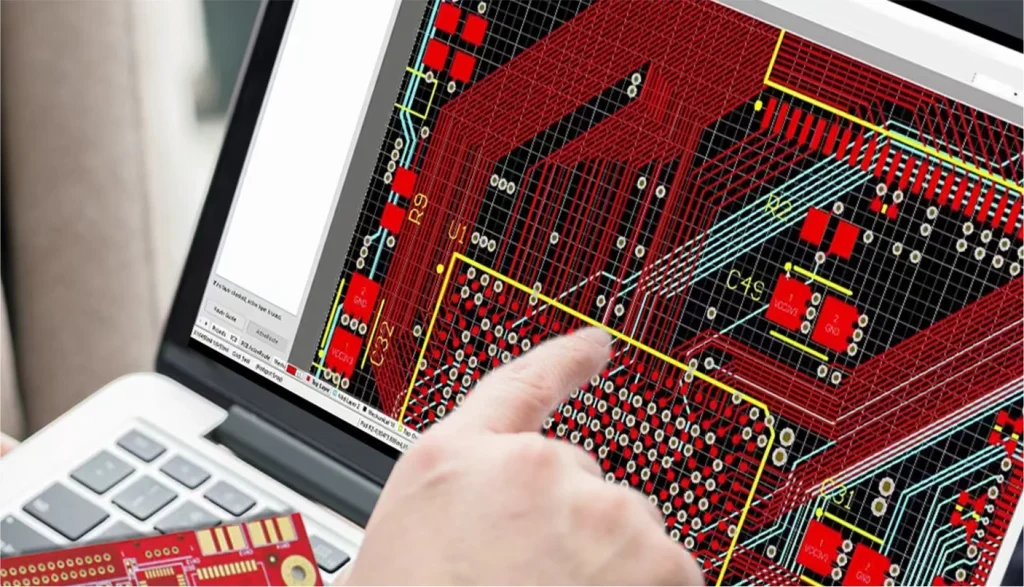
Using tools like Altium Designer or Cadence, the layout is rebuilt. At this stage, Design for Manufacturability (DFM) and Design for Testability (DFT) principles are applied, ensuring that the new board is easier to produce, assemble, and validate.
5. BOM Creation and Optimization
A complete Bill of Materials (BOM) is compiled, with alternative component recommendations. This step is critical for aftermarket applications, where localized or cost-efficient parts may replace expensive imports.
6. Prototyping and Verification
Finally, a new PCB is fabricated and assembled (PCBA). Rigorous tests follow—functional checks, high/low temperature cycling, vibration resistance—ensuring that the aftermarket replacement is as reliable as the OEM original.
How Do You Reverse Engineer an ECU PCB?
Among all automotive electronics, Engine Control Units (ECUs) are the most complex and mission-critical. Reverse engineering them requires advanced methods and domain expertise:
- Multi-Layer Handling: ECUs typically use multi-layer PCBs with buried and blind vias. Specialized scanning ensures no internal trace is missed.
- Microcontroller Analysis: Identifying the MCU is key, as it governs logic and communication. Reverse engineering may involve mapping its pins, memory, and interfaces.
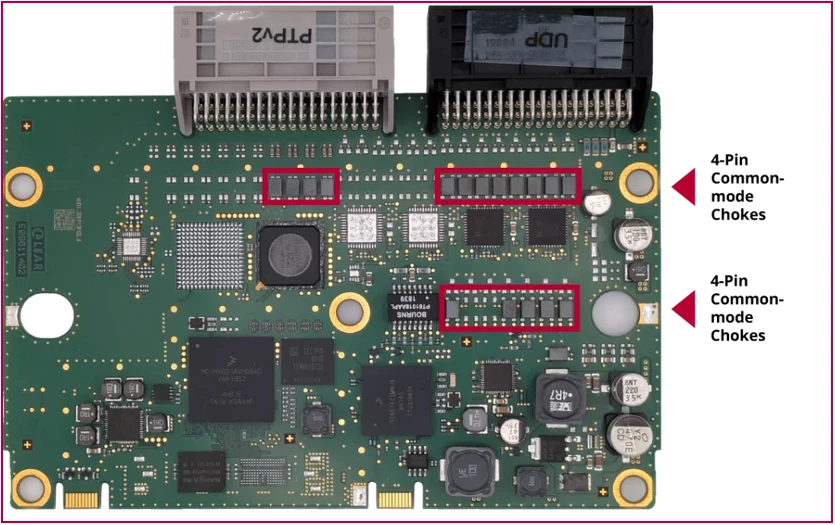
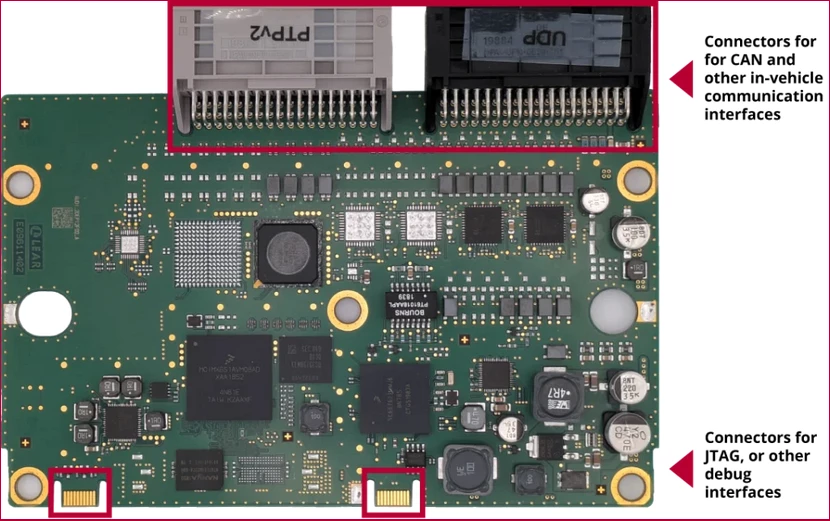
- CAN Bus and Communication Protocols: Since ECUs interact with the vehicle network, engineers must account for CAN/LIN transceivers, communication filters, and fail-safes.
- Power Management Circuits: Automotive ECUs include robust power regulators, surge protection, and grounding schemes that must be faithfully replicated for safety.
- Hardware-Software Interaction: While PCB reverse engineering focuses on hardware, understanding how the ECU firmware interfaces with it is crucial for compatibility.
Reverse engineering ECUs enables aftermarket firms not only to produce reliable replacements but also to upgrade designs—for instance, by improving thermal stability or adding modern connectors.
Is PCB Reverse Engineering Legal in the Automotive Aftermarket?
This is a common concern, and rightly so. The short answer: it depends on intent and execution.
- Intellectual Property Considerations: If the goal is to duplicate a design for mass resale without any modification, legal risks may exist depending on the jurisdiction.
- Legitimate Use Cases: Most aftermarket applications—such as replacing discontinued boards, localizing components, or creating functionally compatible upgrades—are typically legitimate.
- Regional Differences:
- In the United States, reverse engineering is generally lawful if it’s for interoperability, repair, or innovation.
- In the European Union, similar principles apply, provided the work does not involve counterfeit branding or direct IP infringement.
The key takeaway: reputable providers treat reverse engineering as a professional engineering service, not piracy. Documentation, transparency, and compliance with local laws protect both the provider and the client.

The Business Value: Cost Reduction, Localization, and Innovation
Ultimately, the aftermarket doesn’t invest in PCB reverse engineering just for technical curiosity—it’s about business impact:
- Cost Reduction: By substituting locally sourced components, companies cut costs significantly. For example, replacing an imported microcontroller with a domestic equivalent can lower BOM costs by 20–30%.
- Localization: Reducing reliance on fragile global supply chains ensures better availability and faster delivery. In today’s uncertain logistics climate, this is a huge competitive edge.
- Innovation and Differentiation: Understanding the original design allows manufacturers to add value—integrating new features, improving efficiency, or offering customization that OEMs don’t.
- Stronger Market Position: Faster iterations, more competitive pricing, and higher repair service capabilities all strengthen an aftermarket brand’s ability to win contracts and customers.
Our Professional Process and Technical Capabilities
When choosing a reverse engineering partner, reliability and professionalism matter. The process we follow isn’t improvised—it’s systematic, proven, and fully aligned with automotive industry standards.
1. Rigorous Workflow
Every project starts with a structured assessment: analyzing PCB layers, components, and mechanical constraints. This ensures accuracy before moving into design reproduction.
2. Advanced Design Tools
We rely on professional EDA platforms like Altium Designer and Cadence Allegro for schematic reconstruction and layout. This guarantees compatibility with global manufacturing standards and easy handoff to your internal teams if needed.
3. PCBA Prototyping & Production
Unlike many “copy-only” providers, we offer end-to-end services: reverse engineering, redesign, and full PCBA manufacturing. Our SMT lines handle prototypes as well as medium-to-large batches, ensuring scalability for your aftermarket business.
4. Automotive-Grade Reliability Testing
Every prototype undergoes validation for vibration, humidity, and thermal cycling (-40°C to +125°C). By simulating real-world automotive stress conditions, we guarantee that our boards meet or exceed OEM performance.
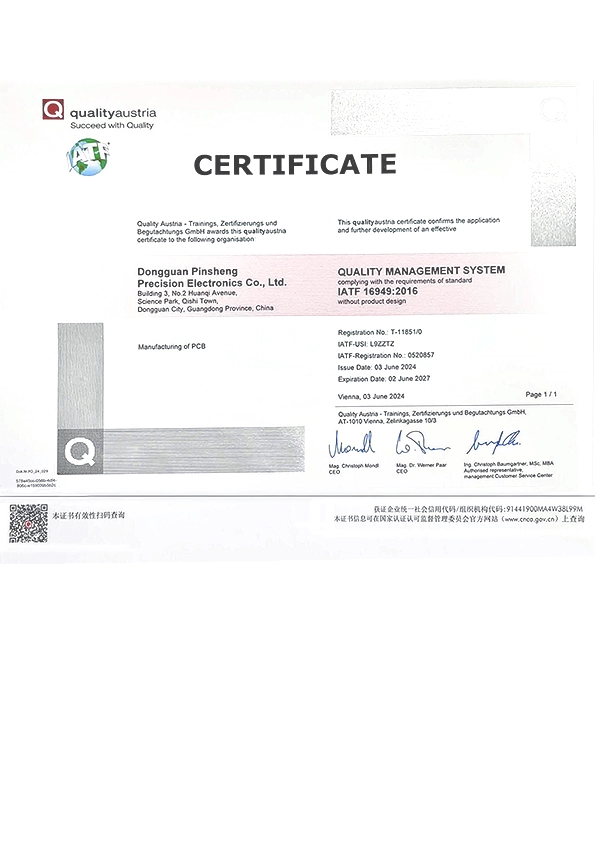
5. Certified Quality Management (IATF 16949)
Our reverse engineering and production workflows strictly follow the IATF 16949 Quality Management System. This means that from the APQP (Advanced Product Quality Planning) phase, through DFMEA/PFMEA analysis, to SPC (Statistical Process Control) in production, every stage is documented and monitored. This rigorous framework ensures data accuracy, product consistency, and prevents large-scale quality incidents—giving you confidence that every board is built to automotive-grade standards.
6. Confidentiality and Security
We understand the sensitivity of your projects. Our workflows include non-disclosure agreements, encrypted data handling, and strict IP protocols to protect your designs and your business.

Why Choose Us? Our Unique Selling Proposition
Not all PCB reverse engineering providers are equal. Here’s what sets us apart:
Not all PCB reverse engineering providers are equal. Here’s what sets us apart:
- One-Stop Service: From PCB reverse engineering services to final PCBA production, we deliver a closed-loop solution. That means fewer communication gaps and a faster, more secure process.
- Flexibility for SMEs: Large PCB manufacturers often impose high minimum orders. We adapt to your needs, whether you require a few dozen prototypes or thousands of boards.
- Automotive Experience: We’ve successfully reverse engineered modules like car navigation systems, LED headlight drivers, and infotainment units—always meeting strict performance requirements.
- Commitment to Quality: We use high-Tg boards (e.g., TG170), apply conformal coatings for moisture protection, and follow automotive testing standards. This ensures every product we deliver is robust, durable, and road-ready.
- Automotive-Grade Quality Assurance (IATF 16949 Certified): Unlike ordinary PCB providers, we are one of the few reverse engineering and manufacturing partners certified under the IATF 16949 quality management system. This certification guarantees that our processes—from APQP planning and DFMEA/PFMEA analysis to SPC monitoring in production—are aligned with the highest automotive standards. For you, this means:
- Qualified Access: Boards ready for direct use in the automotive aftermarket.
- Risk Reduction: Strict quality checkpoints eliminate large-scale failure risks.
- Seamless Collaboration: Familiarity with PPAP and industry-specific documentation ensures smoother cooperation.
- Brand Empowerment: Partnering with an IATF 16949-certified supplier strengthens your own brand’s reputation and quality credentials.

Case Study: Reverse Engineering a CAN Bus Controller
A European client approached us when their OEM CAN bus controller became unavailable due to supply chain disruptions. The original microcontroller was no longer in production, and replacement parts were prohibitively expensive.
Our Approach:
- We reverse engineered the existing PCB.
- Recommended a domestic MCU alternative with full functional equivalence.
- Optimized the power supply circuit for better efficiency.
- Fabricated prototypes, validated them with vibration and thermal testing, and scaled to mass production.
The Result:
The client achieved a 30% cost reduction while maintaining identical performance. More importantly, they secured long-term availability for their aftermarket product line—ensuring continuity and profitability.
Summary
Automotive PCB reverse engineering offers aftermarket companies a powerful way to reduce costs, localize production, and innovate faster. From ECU replacements to infotainment upgrades, the opportunities are wide-reaching—and our professional process ensures quality, reliability, and confidentiality every step of the way.
Ready to explore your next aftermarket solution? Send us your PCB images or requirements today for a free preliminary evaluation and quote. Together, we’ll transform your challenges into new business opportunities.